














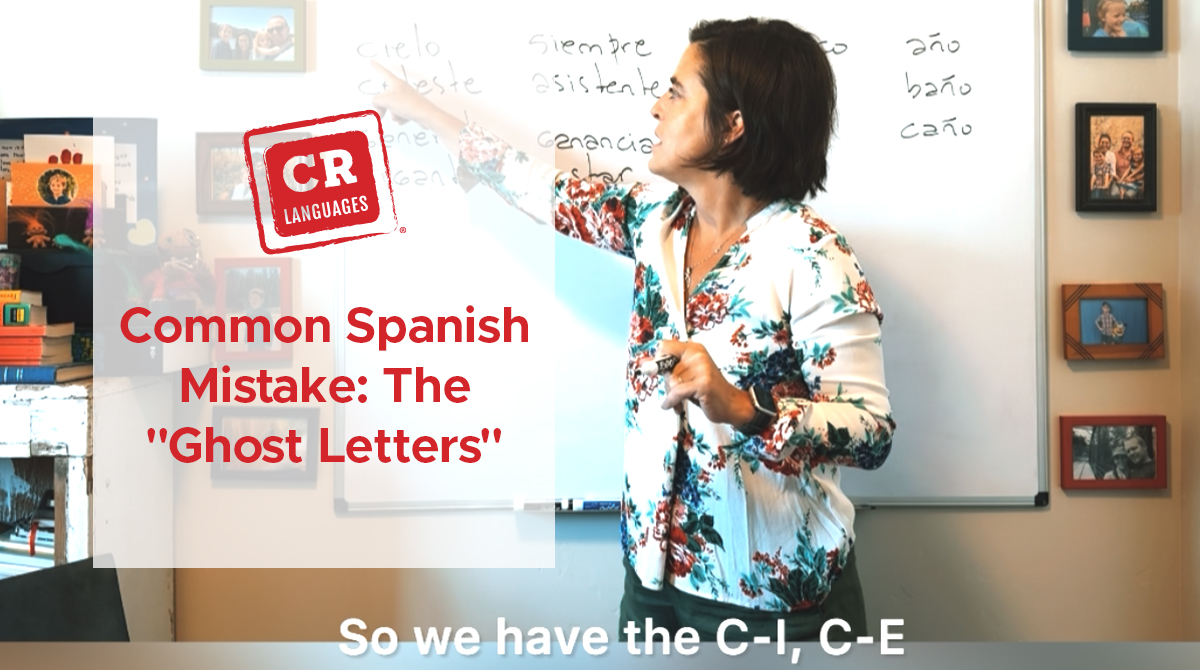
¿Sabías que el español tiene letras fantasma? Sí, esas que están ahí, escritas, presentes en el papel… pero que en realidad no hacen ruido. O que hacen un ruido completamente distinto al que tú crees. Julieta te presenta una guía rápida para dejar de sonar como un libro de texto y empezar a sonar como un humano de verdad.
1. La “Z” no es una abeja.
En inglés, la Z zumba: buzzzz. En español, no. La Z se pronuncia como una S (o como la “th” suave en España, pero nunca, jamás, zumbando). Así que si dices “zapato” y suena como si una abeja se te hubiera metido en la boca, algo anda mal.
2. La “U” en “guerra” está muerta. Déjala descansar en paz.
En combinaciones como gue y gui, la U no suena. Está ahí solo para cambiar el sonido de la G (de “gue” como en “guerra”, no como “gü-errra”). Si la pronuncias, felicidades: acabas de resucitar a una letra que llevaba siglos descansando tranquilamente.
3. La Ñ no es opcional.
A menos que quieras decirle a tus colegas que tienes “40 anus” en vez de “40 años”. Sí, leíste bien. Esa golondrina arriba de la N cambia completamente el significado de la palabra, y créenos: sí importa. Dale su lugar a la Ñ. Se lo ganó.
Did you know Spanish has ghost letters? Yes, the kind that are right there, written on the page… but don’t actually make a sound. Or make a completely different sound than you’d expect. Julieta brings you a quick guide to help you stop sounding like a textbook and start sounding like an actual human.
1. The “Z” is not a bee.
In English, the Z buzzes: buzzzz. In Spanish, it doesn’t. The Z sounds like an S (or a soft “th” in Spain, but never, ever, buzzing). So if you say “zapato” and it sounds like a bee flew into your mouth, something’s off. Stop buzzing.
2. The “U” in “guerra” is dead. Let it rest in peace.
In combinations like gue et gui, the U is silent. It’s only there to change the sound of the G. If you pronounce it, congratulations: you just resurrected a letter that had been peacefully resting for centuries.
3. The Ñ is not optional.
Unless you want to tell your colleagues you’re “40 anus” instead of “40 años.” Yes, you read that right. That little squiggle on top of the N completely changes the meaning of the word, and trust us: it matters. Give the Ñ the respect it deserves. It earned it.
Prêt à améliorer votre espagnol ? Cliquez sur ici pour commencer votre voyage d'apprentissage des langues avec nous !
Réponses